Culture
Cancel Culture vs Accountability: Where Does Justice End and Mob Mentality Begin?
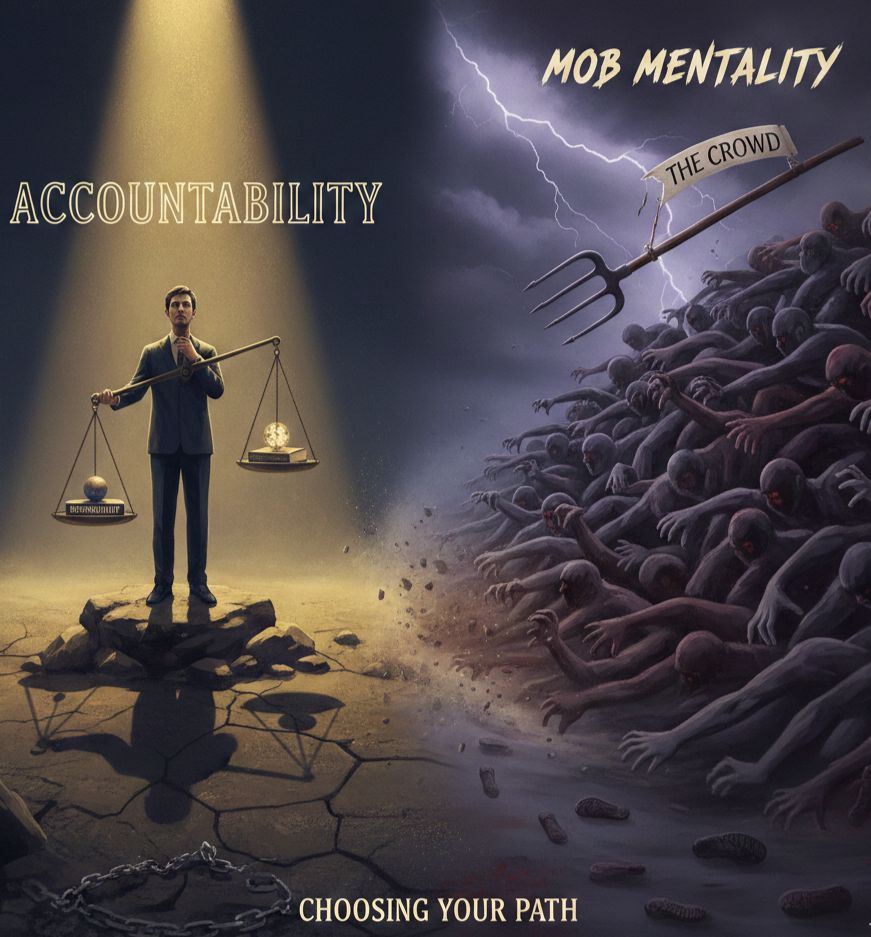
Over the past decade, the internet has changed the way society holds people accountable. A single tweet, a resurfaced video, or a controversial statement can now trigger massive public backlash within hours. Careers have been damaged, brand deals withdrawn, and reputations permanently altered. But this raises an important question: are we witnessing necessary accountability, or has cancel culture crossed into mob mentality?
At its core, cancel culture began as a form of collective accountability. For many marginalized communities, social media became one of the few tools available to call out powerful individuals or institutions. When traditional systems failed to deliver justice or consequences, public pressure sometimes succeeded. Movements like #MeToo showed how collective voices could expose patterns of abuse that had been ignored for years. In these cases, public backlash served a real social function. It forced conversations that society had avoided for decades.
However, the problem arises when the line between accountability and punishment becomes blurred. Accountability is meant to correct behavior, encourage reflection, and ensure consequences proportional to the harm caused. Mob mentality, on the other hand, seeks punishment above all else. It rarely leaves room for context, growth, or nuance. The goal shifts from justice to destruction.
One of the biggest challenges in the digital age is speed. Social media operates in real time, but truth and investigation take time. When outrage spreads faster than facts, people can be judged before evidence is verified. A clipped video or a single sentence taken out of context can circulate widely, shaping public perception before the full story emerges. By the time clarifications appear, the damage is often already done.
Another issue is permanence. In the past, public mistakes faded with time. Today, the internet archives everything. A comment made years ago can resurface and define someone in the present, regardless of how much they may have changed. This raises ethical questions about growth. If society believes people can learn and evolve, should every past mistake remain a permanent sentence?
At the same time, critics of cancel culture sometimes dismiss legitimate criticism as “mob behavior,” which can also be misleading. Not every public backlash is unfair. Some actions genuinely deserve public scrutiny, especially when individuals in positions of power cause harm or spread dangerous narratives. The difficulty lies in distinguishing between rightful criticism and disproportionate outrage.
There is also a psychological dimension to online outrage. Social media often rewards extreme reactions. Anger spreads faster than calm analysis, and viral posts tend to be the most emotional ones. In many cases, people join the outrage not because they fully understand the situation, but because collective anger creates a sense of belonging. This is where accountability can quietly turn into digital vigilantism.
A more balanced approach may lie in redefining what accountability should look like. Genuine accountability includes acknowledging harm, making amends, and demonstrating change. It is not about permanently silencing someone or erasing them from public life for every mistake. At the same time, accountability should not be reduced to empty apologies that carry no real consequences.
The conversation around cancel culture ultimately reflects a larger societal shift. The public now has more power than ever to influence narratives, challenge authority, and demand transparency. That power can be used responsibly, but it can also be misused. The difference often depends on whether the goal is justice or simply punishment.
In the end, cancel culture is not entirely good or entirely bad. It is a tool, and like any tool, its impact depends on how it is used. Accountability strengthens society. Mob mentality weakens it. The challenge of our time is learning to tell the difference before outrage becomes louder than truth.


